Fertility Rate by Country
226 countries • children per woman • World Bank Open Data
Top country
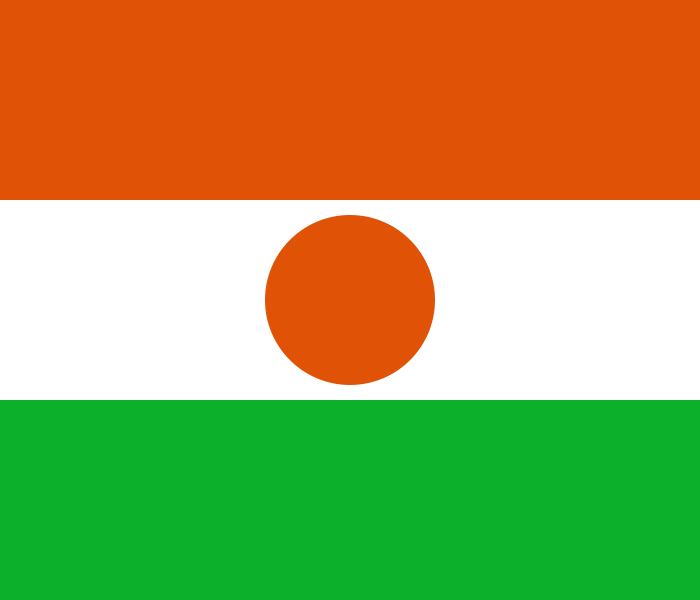
Niger
Lowest country
South Korea
Source
World Bank Open Data
Ready to play?
Think you can call the next one?
Use this Fertility Rate briefing as a warm-up, then jump into a fast country round.
What It Measures
Fertility Rate from World Bank Open Data, using the latest available country values in TerraBrawl.
At a Glance
World average
2.32
Middle country
1.93
Low end
0.68
High end
6.55
Countries
226
Data source
World Map
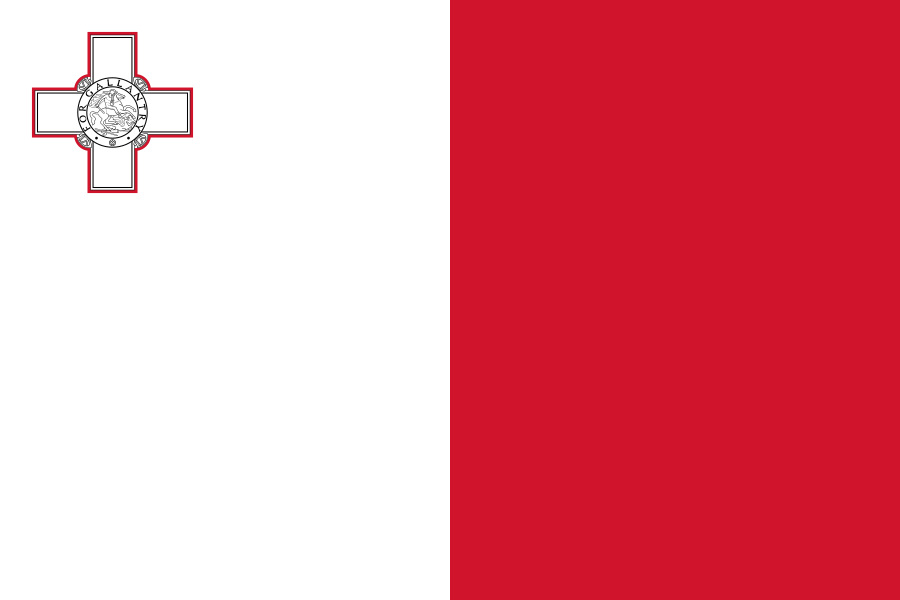
Highest & Lowest Fertility Rate
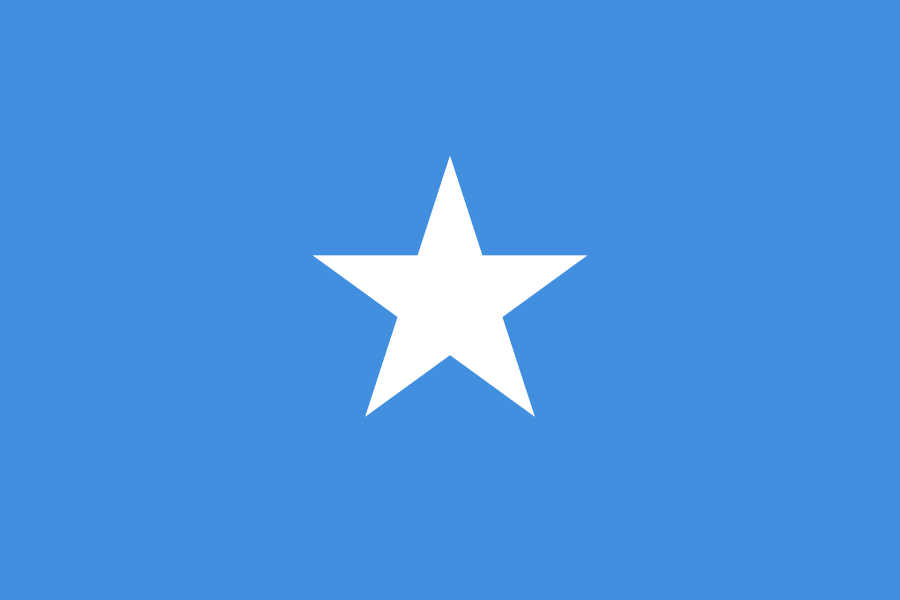
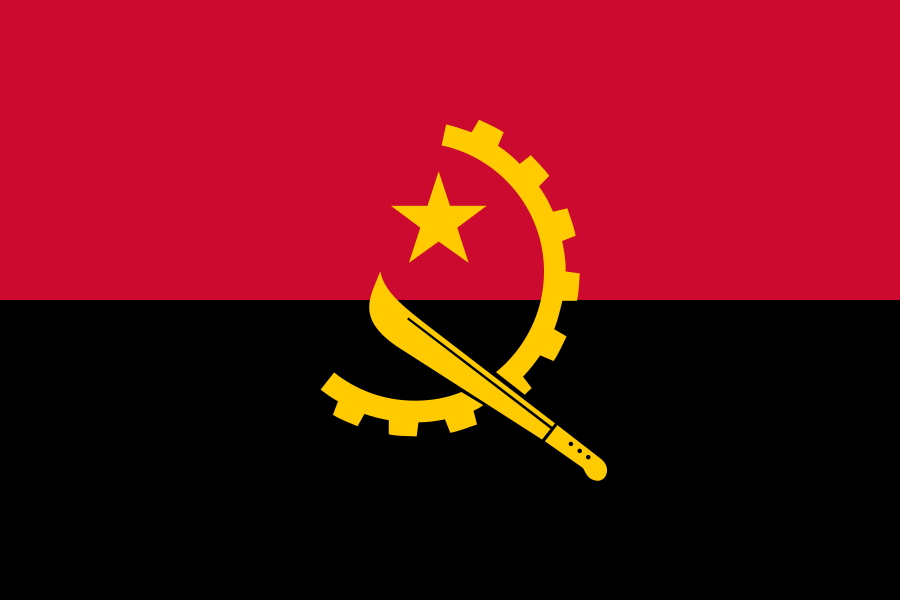
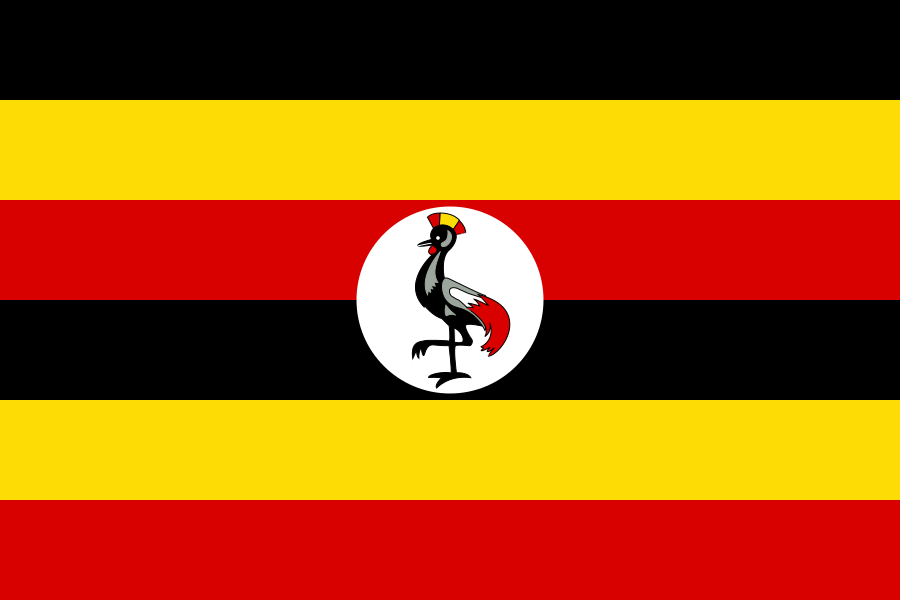
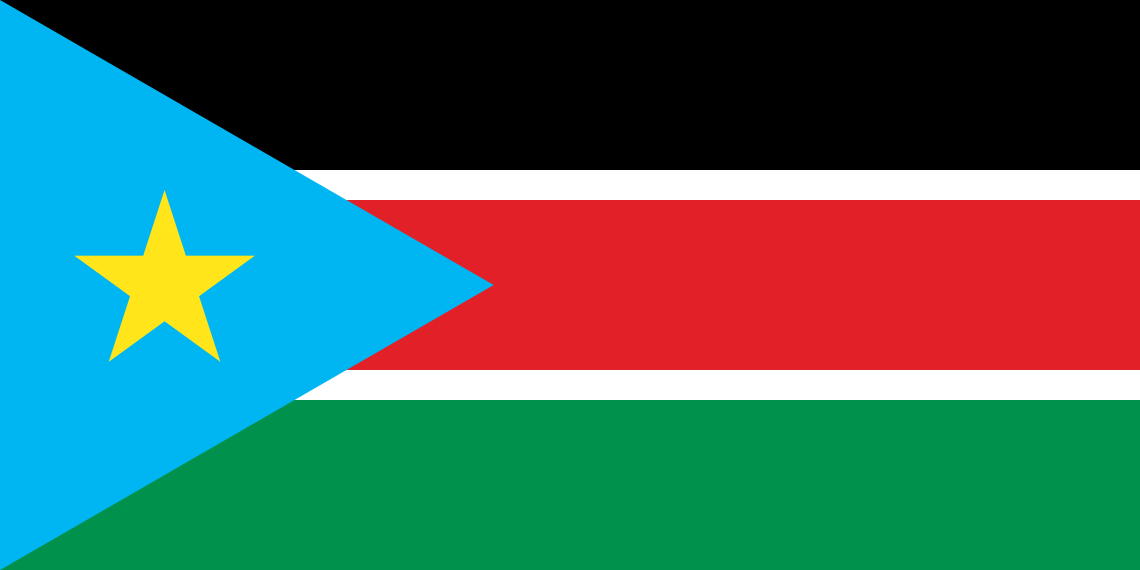
Highest Fertility Rate




Lowest Fertility Rate









Worth a Double Take
Biggest ranking jump: #2 Somalia is 0.93 children per woman higher than #3 Angola (6.38 children per woman vs 5.45 children per woman).
Another sharp ranking jump: #225 Albania is 0.41 children per woman higher than #226 South Korea (1.09 children per woman vs 0.68 children per woman).
Another sharp ranking jump: #18 Sudan is 0.36 children per woman higher than #19 Equatorial Guinea (4.41 children per woman vs 4.05 children per woman).