Population by Country
234 countries • people • World Bank Open Data
Top country
India
Lowest country
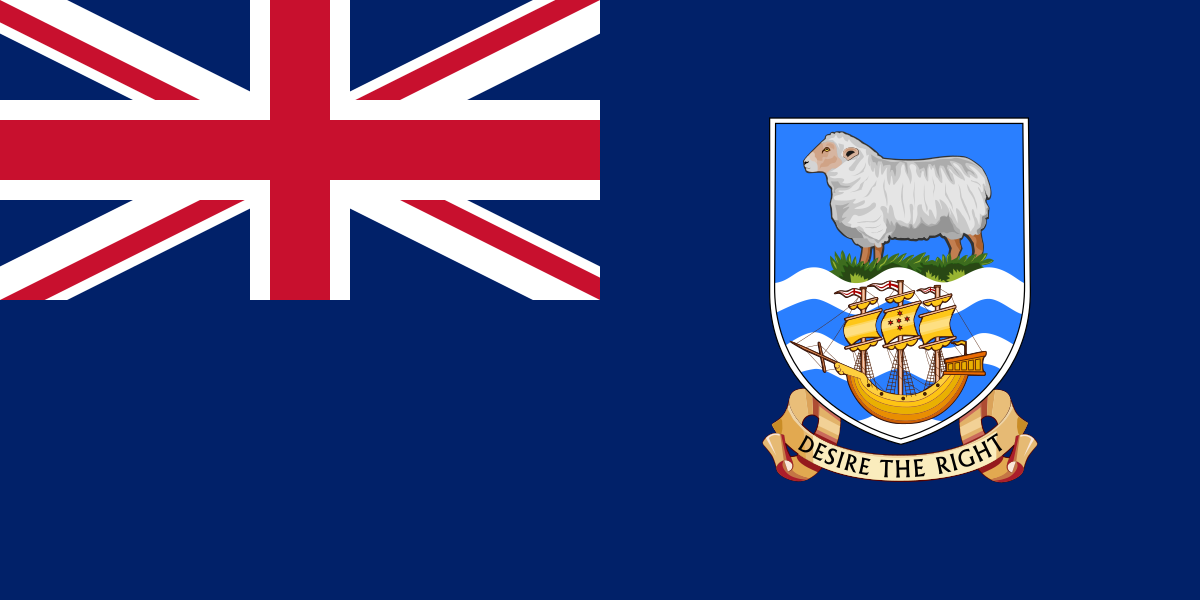
Pitcairn
Source
World Bank Open Data
Ready to play?
Think you can call the next one?
Use this Population briefing as a warm-up, then jump into a fast country round.
What It Measures
Population from World Bank Open Data, using the latest available country values in TerraBrawl.
At a Glance
World average
34.71M
Middle country
5.74M
Low end
50
High end
1.42B
Countries
234
Data source
World Map
Highest & Lowest Population
Highest Population
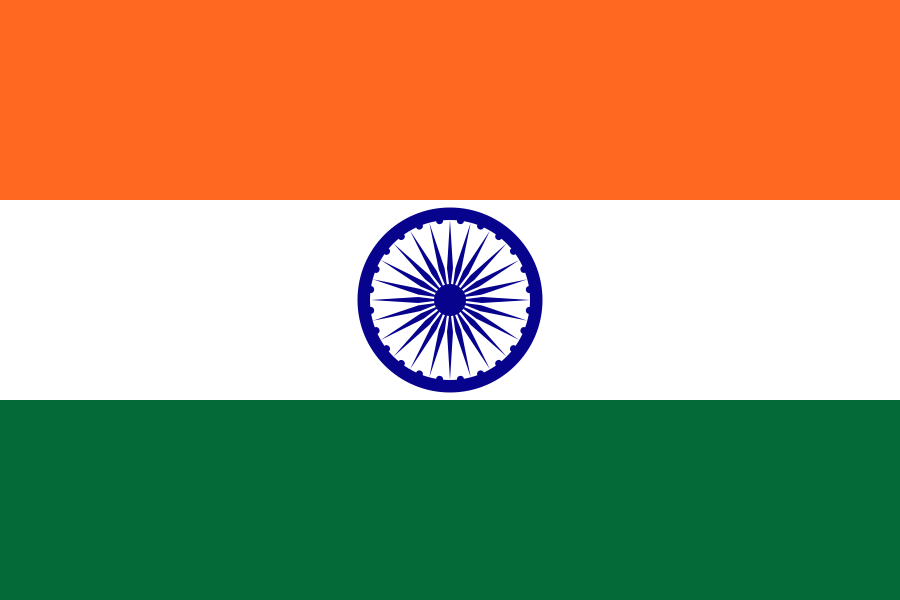
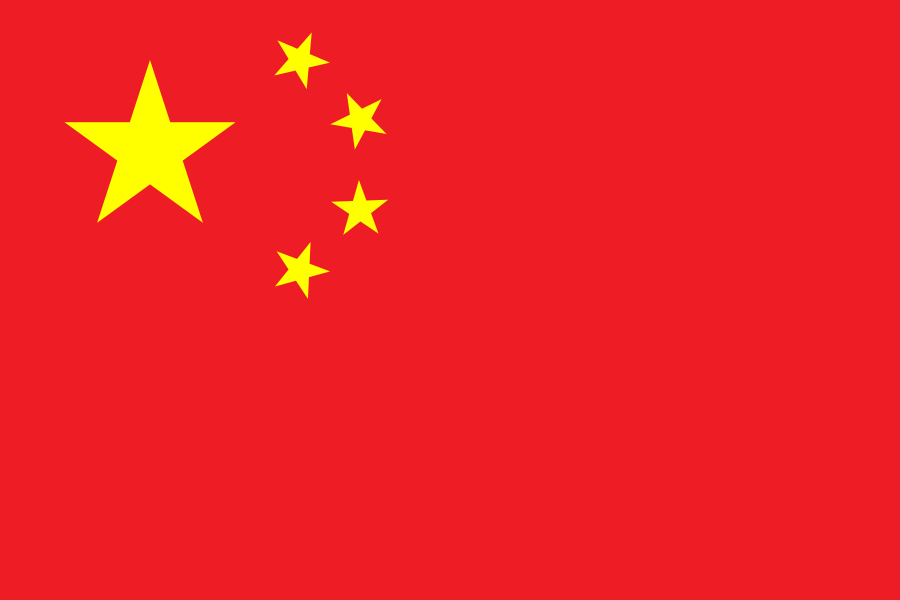
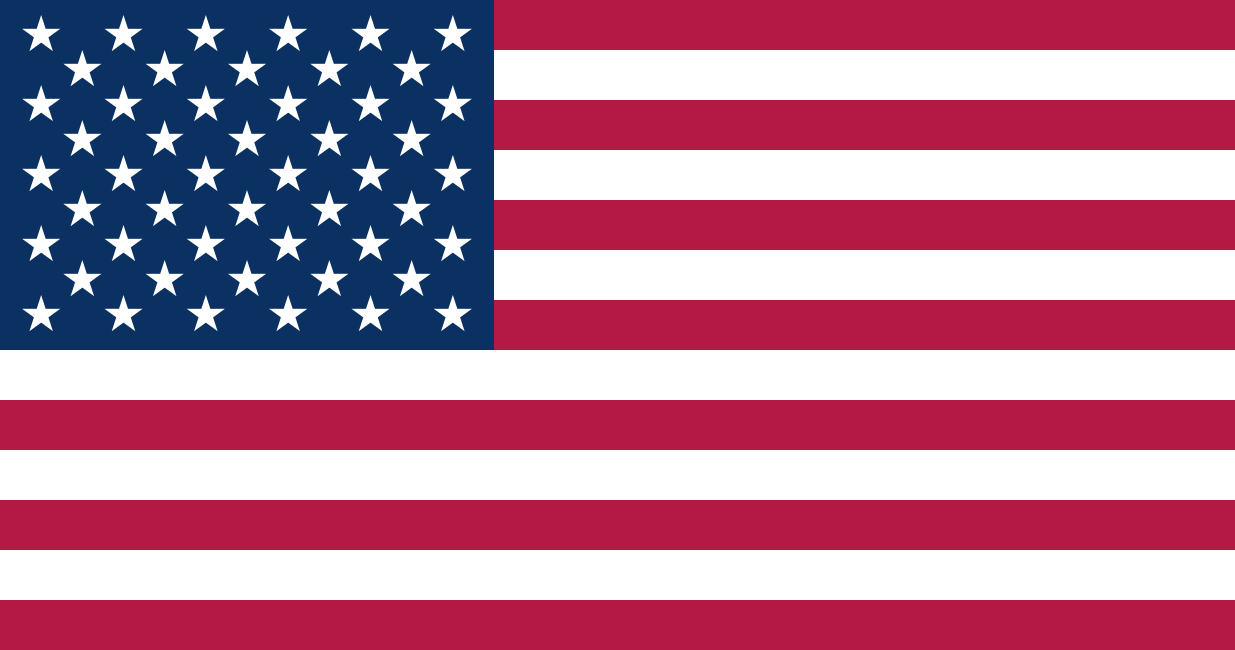
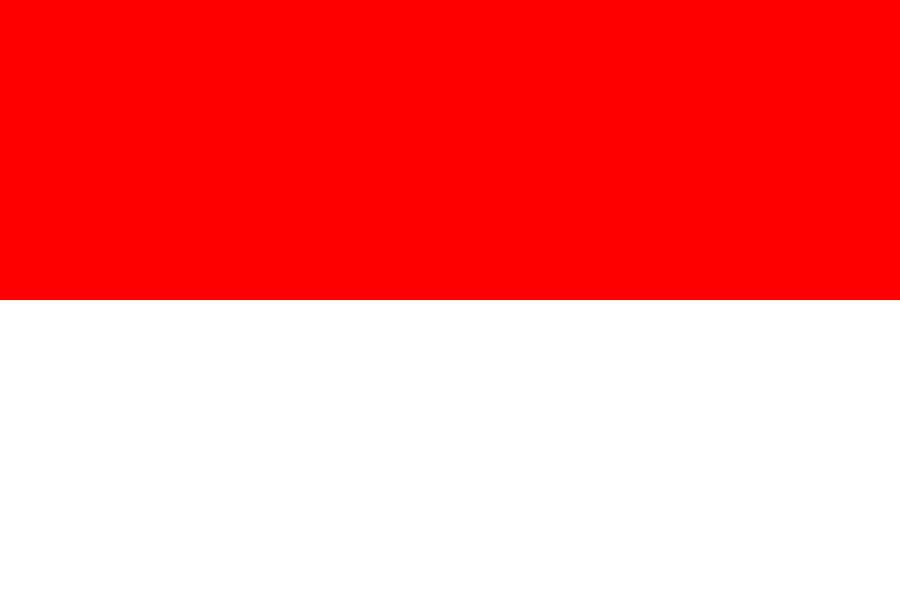



Lowest Population



Worth a Double Take
Biggest ranking jump: #2 China is 1.07 billion people higher than #3 United States (1.41 billion people vs 338.02 million people).
Another sharp ranking jump: #3 United States is 54.43 million people higher than #4 Indonesia (338.02 million people vs 283.59 million people).
Another sharp ranking jump: #7 Brazil is 46.99 million people higher than #8 Bangladesh (221.36 million people vs 174.37 million people).